Craft CMS 6 and Laravel: What It Means for Developers and Businesses
Craft CMS is entering an exciting new chapter with its move to Laravel in Craft CMS 6. This transition brings together Craft's powerful content management capabilities and one of PHP's most popular frameworks, opening the door to more flexible, integrated web development. Here's a look at what's changing, why it matters, and what developers and businesses can expect.
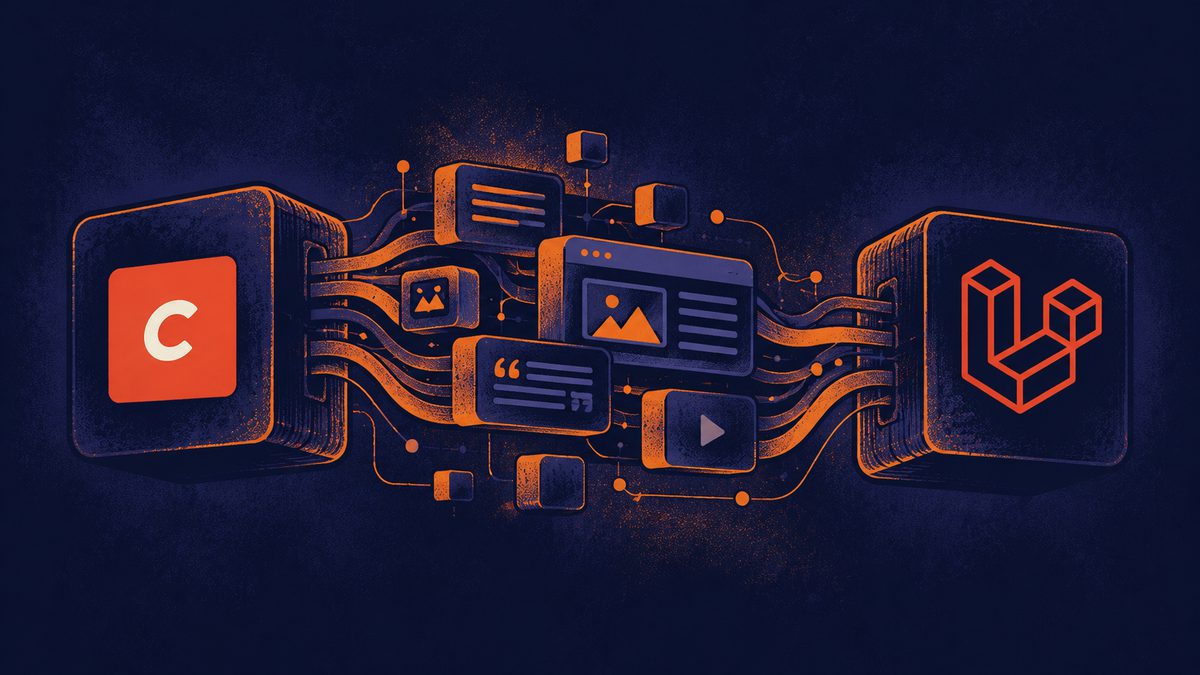
Craft CMS has long been a popular choice among developers and businesses looking for a flexible, powerful content management system. Known for its customizable content structures, intuitive control panel, and developer-friendly approach, Craft CMS gives teams the freedom to build websites and applications without the limitations often associated with traditional CMS platforms.
Now, Craft CMS is taking a significant step forward. With the upcoming release of Craft CMS 6, the platform is transitioning to Laravel, one of the most widely used PHP frameworks. This move represents an important shift in how Craft can be integrated into modern web applications, opening new possibilities for developers already working within the Laravel ecosystem.
For the PHP development community, this transition could simplify development workflows, expand integration opportunities, and make it easier to combine sophisticated content management with custom application functionality.
But what does this change actually mean for Craft CMS developers and businesses? In this article, we'll explore what's changing in Craft CMS 6, why the move to Laravel matters, and how organizations can benefit from this new direction.
What Is Changing in Craft CMS 6?
One of the biggest changes coming with Craft 6 is how the platform is built and integrated into web applications. Traditionally, Craft CMS has operated as a standalone content management system built on the Yii PHP framework. With version 6, Craft is making the move to Laravel, bringing its powerful content management tools into one of the most widely used PHP ecosystems.
Rather than operating as a separate application, Craft 6 will be distributed as a Laravel package. This means developers will be able to install Craft directly into new or existing Laravel projects, allowing content management and custom application functionality to work together within the same framework.
For developers, this opens up new opportunities. A Laravel application could use Craft to manage everything from blog posts and landing pages to more complex content structures, while Laravel continues handling the application's custom business logic, authentication, and other functionality.
Upgrading from Craft 5 to 6
For businesses already using Craft CMS, the move to Laravel doesn't necessarily mean starting over or rebuilding their websites from scratch. Craft's developers have indicated that they intend to make the upgrade path from Craft 5 to Craft 6 as straightforward as possible.
However, the transition to a different underlying framework is significant. Websites that rely on custom plugins, modules, or third-party integrations may require additional development work to ensure compatibility.
For most businesses, the best approach will be to evaluate their current website, review existing integrations, and plan an upgrade when Craft CMS 6 and its supporting ecosystem are ready.
Ultimately, this transition is about giving developers greater flexibility while preserving the content management experience that has made Craft CMS a popular choice for custom websites.
Key Features of Craft 6
While the move to Laravel is one of the biggest changes coming to Craft, the platform will continue to offer the powerful content management features that developers and businesses have come to rely on. From flexible content structures to multilingual websites and ecommerce integrations, Craft provides the tools needed to build and manage complex digital experiences.
Let's take a closer look at some of Craft 6's major features:
Flexible Content Modeling
One of Craft CMS's greatest strengths has always been its flexibility. Rather than forcing content into predefined templates or structures, Craft allows developers to create custom content models tailored to the needs of each project.
With more than 20 built-in field types, developers can build everything from simple blogs and landing pages to complex directories, resource libraries, and custom applications.
For content editors, this means a more intuitive experience. Instead of navigating unnecessary options or working around the limitations of a traditional CMS, they can manage content through fields and interfaces designed specifically for their website.
Localization and Multisite Management
For businesses managing multiple websites or serving audiences across different regions, Craft CMS provides extensive localization and multisite capabilities.
Organizations can manage multiple websites, languages, and regional content variations from a single installation. Content can be shared across sites where appropriate or customized for individual markets.
This is particularly useful for businesses operating internationally, organizations with multiple brands, or companies that need to maintain consistent messaging across several websites.
Headless CMS Capabilities
Craft CMS also supports headless content management, allowing businesses to manage their content in one place while delivering it to multiple platforms.
Through its automatically generated GraphQL API, Craft can make structured content available to websites, mobile applications, and other digital experiences.
With Craft CMS 6's Laravel integration, developers will also be able to access and use Craft-managed content directly within Laravel applications, including Blade templates.
This flexibility makes Craft especially appealing for projects that extend beyond a traditional marketing website, such as customer portals, mobile apps, and custom web applications.
🧠 Related: Headless CMS Seo: How to Get It Right
Ecommerce Functionality
Craft CMS offers several options for businesses looking to incorporate ecommerce into their websites and applications.
First-party integrations with Shopify and Stripe provide ways to connect content management with established commerce and payment platforms.
For businesses requiring greater customization, Craft Commerce offers tools for building tailored storefronts, checkout experiences, and more complex ecommerce systems.
This flexibility can be particularly valuable for organizations with unique purchasing workflows, custom product offerings, or business-to-business requirements that aren't easily accommodated by traditional ecommerce platforms.
Flexible Hosting and Deployment
Craft 6 is also designed to support a variety of hosting environments, giving development teams flexibility when deploying and managing their applications.
Organizations can choose to self-host their websites and applications, deploy through Laravel Cloud, or use Craft Cloud, Craft's managed hosting platform.
Each option provides a different level of control and infrastructure management, allowing businesses to select an approach that fits their technical requirements, budget, and development resources.
For teams already working with Laravel, the ability to incorporate Craft into familiar development and deployment workflows could make the platform an even more attractive option.
Ultimately, these capabilities demonstrate why Craft CMS continues to be a strong choice for businesses that need more than a basic website. With Laravel becoming the foundation of Craft CMS 6, developers will have even more opportunities to combine flexible content management with custom application functionality.
Is Craft 6 Right for Your Next Project?
The move to Laravel represents an exciting evolution for Craft CMS, particularly for businesses that need more than a traditional website. By bringing flexible content management into the Laravel ecosystem, Craft CMS 6 opens up new possibilities for building custom websites, applications, and integrated digital experiences.
For organizations already using Laravel, the integration could provide a more streamlined way to manage content alongside existing application functionality. For businesses considering Craft CMS for the first time, it reinforces the platform's commitment to flexibility and developer-friendly architecture.
Of course, the right content management system depends on your project's requirements. Not every website needs a highly customized solution, and businesses currently using Craft CMS should carefully evaluate their upgrade needs before making the transition.
Build Something Better With Brilliance
As both an official Craft CMS Partner and Laravel Partner, Brilliance brings expertise in both platforms to every project. We specialize in building custom websites and web applications tailored to the unique needs of each business - check out our work.
Whether you're planning a new Craft CMS website, developing a Laravel application, or preparing for the transition to Craft CMS 6, our team has the experience to help you build a solution that's flexible, scalable, and built for the future.
Get in touch with Brilliance to discuss your next project. We work month-to-month – no handcuffs.
Continue reading.
The Element API plugin is a very powerful tool that you can use for quickly exposing your data structures to an external source.
Read more

A brief introduction to consensus mechanisms and why proof of stake is the right move for Ethereum.
Read moreLet's chat about your project
Ste 700
Portland, OR 97214